Category: Uncategorized

  • Publishing markdown and csv editor tool called “You’ve got a friend in md”

    Publishing markdown and csv editor tool called “You’ve got a friend in md”

    Publishing editor tool

    I’ve been building a small tool called You’ve got a friend in md — a local WYSIWYG editor for browsing and editing folders of Markdown and CSV files. Files default to locked (read-only) and you explicitly unlock one before editing.

    This week I finally got around to publishing it
    properly, and the process surfaced a few lessons worth writing down.

    Here is the Git link: https://github.com/appare9999/friend-in-md

    Why I created this tool

    Markdown is an excellent format for AI to read and generate. Because of this, I created a tool that makes it possible to edit and view Markdown files directly in the browser, while keeping the original Markdown files as the source of truth.

    The name “You’ve Got a Friend in md” was inspired by the ending song from Toy Story, “You’ve Got a Friend in Me.” I chose the name with the hope that this tool would help people become friends with Markdown.

    From: O-DAN

    What you can do with it

    The features of this tool are as follows:

    • WYSIWYG editing
    • CSV editing
      • CSV files show up in the same folder tree as an editable spreadsheet grid.
    • Full-text search
      • searches file names and contents across every markdown and CSV file under the folder, however deeply nested. Click a result to jump straight to that file.
    • Live diagrams
      • fenced ```mermaid and ```plantuml blocks render as diagrams inline, each with its own fullscreendownload PNG, and (for Mermaid) download SVG controls.
    • Insert image from folder
      • a picker scoped to your notes folder lets you browse into subfolders and insert an image at the cursor, keeping a normal relative path in the markdown source.

    Getting started

    Running the following command will start the tool and open it in your browser.

    $ npx friend-in-md

    Once the browser opens, you will see a screen like the one shown below. Clicking the area marked in red allows you to select a folder.

    After selecting a folder, you will see a screen like the one below where you can browse your Markdown files. Click the “Unlock” button highlighted with a red circle to edit the Markdown files directly in your browser.

    What I Learned from Building This Tool

    Through building this tool, I learned several things: how to publish a project on Git, how to explain my work in English as a Japanese developer, and how to design a tool that is both simple and easy to use.

    Most importantly, I was able to create a tool that I genuinely enjoy using myself.

    A little side note

    By the way, these characters are original characters I created. The one wearing a spacesuit is Spicy Lemon, and the one dressed as a cowboy is Reston. This image was created with Gemini.

    And here’s an original illustration I made myself.

    Reston
    Spicy Lemon
  • Yojijukugo are composed of four kanji

    Yojijukugo are composed of four kanji

    Yojijukugo are four-character idiomatic expressions in Japanese.

    Each one is made up of four kanji and conveys a specific meaning, often in a very compact and symbolic way.

    One of the appealing aspects of Yojijukugo is their simplicity: ideas that would normally require long explanations can be expressed in just four characters.

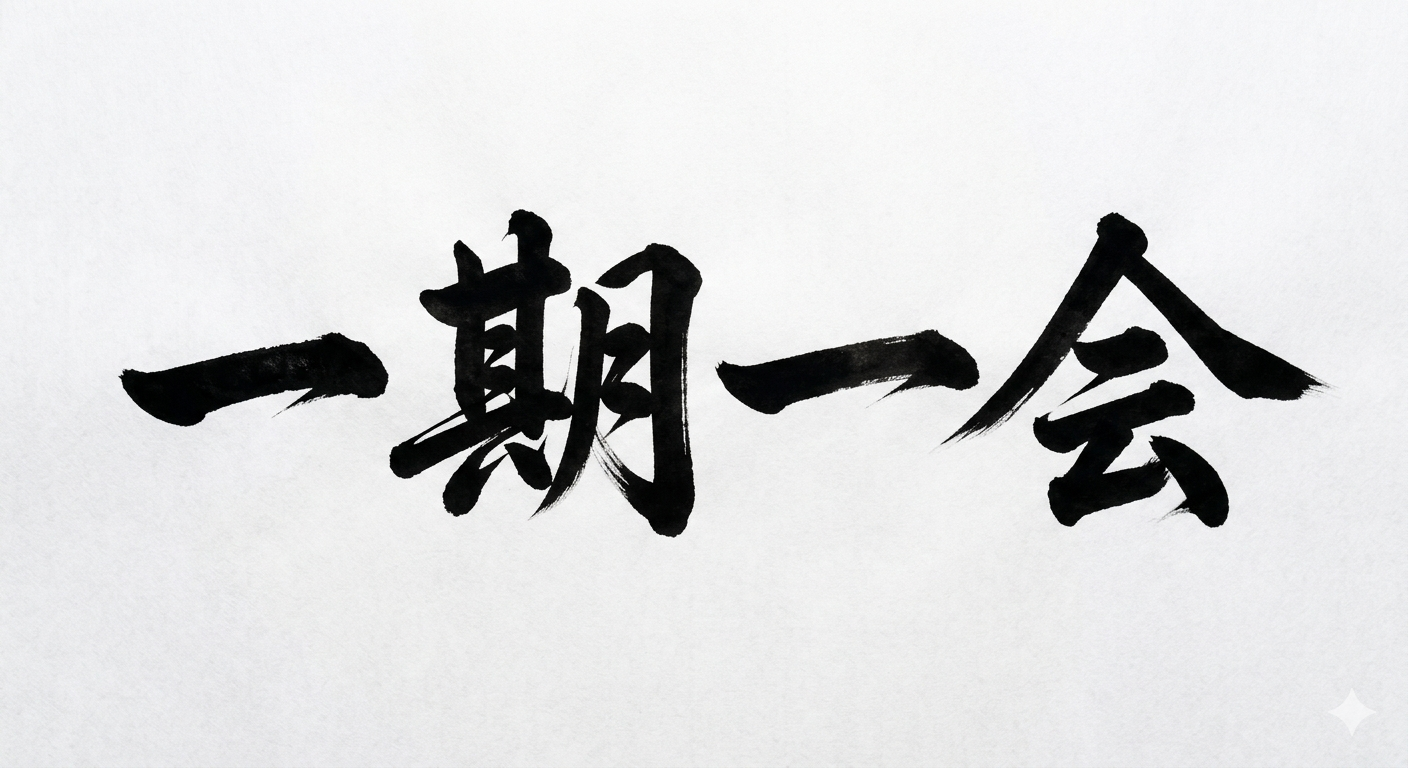
    For example, ‘一期一会’ (ichigoichie) means ‘once-in-a-lifetime encounter,’ emphasizing the importance of cherishing each moment.

    And they also look visually striking when written in kanji, which makes them especially cool.

    Useful Yojijukugo for Everyday Life

    I would introduce follow Yojijukugo.

    • 自業自得(jigoujitoku)
    • 一石二鳥(issekinichō)
    • 臨機応変(rinkiōhen)
    • 優柔不断(yūjūfudan)
    • 前代未聞(zendaimimon)

    自業自得(jigoujitoku)

    自 (self), 業 (actions), 自 (self), and 得 (result) together express the idea that your own actions bring your own results. In other words, ‘jigoujitoku’ means that you caused your own problem, or simply, ‘it’s your own fault.

    for example,

    ex1:

    A: “I only slept for two hours because I played games all night.”
    B: “Well, that’s jigoujitoku.”

    ex2:

    I ate too much junk food and gained weight. Jigoujitoku, I guess.

    一石二鳥(issekinichō)

    一 (one), 石 (stone), 二 (two), and 鳥 (birds) together create the image of hitting two birds with a single stone. Therefore, ‘issekinichō’ means achieving two benefits with one action.

    for example,

    A: “I listen to English podcasts while walking.”
    B: “You’re exercising and studying English at the same time. That’s issekinichō.”

    臨機応変(rinkiōhen)

    臨 (face), 機 (situation or opportunity), 応 (respond), and 変 (change) together express the idea of responding appropriately to changing situations. In other words, ‘rinkiōhen’ means being flexible and adapting to circumstances as they arise.

    for example,

    A: “The train was delayed, so I took a different route to work.”
    B: “Good idea. That’s rinkiōhen.”

    In business and everyday life, rinkiōhen is often considered an important skill because unexpected situations happen all the time.

    優柔不断(yūjūfudan)

    優 (gentle), 柔 (soft), 不 (not), and 断 (decide) together describe someone who is too gentle or hesitant to make a firm decision. In other words, ‘yūjūfudan’ means being indecisive or having difficulty making decisions.

    In Japanese culture, being considerate of other people’s feelings is often valued. Because of this, some people hesitate to make quick decisions if those decisions might inconvenience, disappoint, or conflict with others. This cultural tendency may help explain why the kanji “優” (gentle) and “柔” (soft) are associated with indecisiveness in the expression “yūjūfudan.”

    for example,

    A: “It took me thirty minutes to choose what to order at the restaurant.”
    B: “Wow, that’s yūjūfudan.”

    前代未聞(zendaimimon)

    前 (before), 代 (generation or era), 未 (not yet), and 聞 (hear) together express the idea of something that has never been heard of in any previous generation. In other words, ‘zendaimimon’ means something unprecedented, extraordinary, or completely unheard of.

    for example,

    A: “A cat became the mayor of a town.”
    B: “Wow, that’s zendaimimon!”

    I would like to introduce Yojijukugo

    and more, I would like to introduce other Yojijukugo.

    In fact, we rearly use the Yojijukugo in everyday conversation.

    But cool. Really cool. it is very important.

    It is ‘花鳥風月’ (kachōfūgetsu)

    It means appreciating the beauty of nature and the changing seasons.

    ‘花’ means a flower.

    ‘鳥’ means a bird.

    ‘風’ means wind.

    ‘月’ means a moon.

    Together, these represent some of the most beautiful elements of nature.

    Therefore, ‘kachōfūgetsu’ means appreciating nature and finding inspiration, peace, and beauty in the natural world.

  • Predicting Cherry Blossom Full Bloom Dates Using LSTM

    Predicting Cherry Blossom Full Bloom Dates Using LSTM

    Every spring in Japan, people are looking forward to that cherry blossom bloom.

    But cherry blossom end is fast(about 2 weeks), but falling cherry blossom is also beautiful, it’s like falling snow.

    We reraly see perfect full bloom.

    So I tried predicting cherry blossom full bloom dates LSTM

    Why LSTM ?

    Cherry blossom blooming depends on several weeks ago temperature over time.

    LSTM (Long Short-Term Memory) is a type of recurrent neural network (RNN) that is well-suited for time-series data because it can capture long-term dependencies.

    That is why I chose LSTM for this task.

    By the way, I use Python for programming.

    Dataset

    I used historical cherry blossom data from Japan Environment Agency records.

    The dataset included

    • place
    • date

    And then I used historical temperature data using OpenWeather API

    https://openweathermap.org/api

    OpenWeather API data included

    • datetime
    • temperature
    • pressure
    • humidity
    • atmospheric temperature
    • cloudiness, %
    • wind speed
    • weather

    Predict place

    The target locations are as follows:

    1. Hakodate (Hokkaido)
    2. Morioka (Iwate)
    3. Gosen (Nigata)
    4. Ueno (Tokyo)

    The target locations are as follow map:

    Predicting Cherry Blossom Full Bloom Dates

    I predicted cherry blossom full bloom dates using LSTM.

    Result is following.

    • Hakodate (Hokkaido) : May 2, 2026
    • Morioka (Iwate): April 24, 2026
    • Gosen (Nigata): April 13, 2026
    • Ueno (Tokyo): April 2, 2026

    Checking the Answer

    According to the Environmental Agency, the cherry blossoms were in full bloom on March 28 this year.

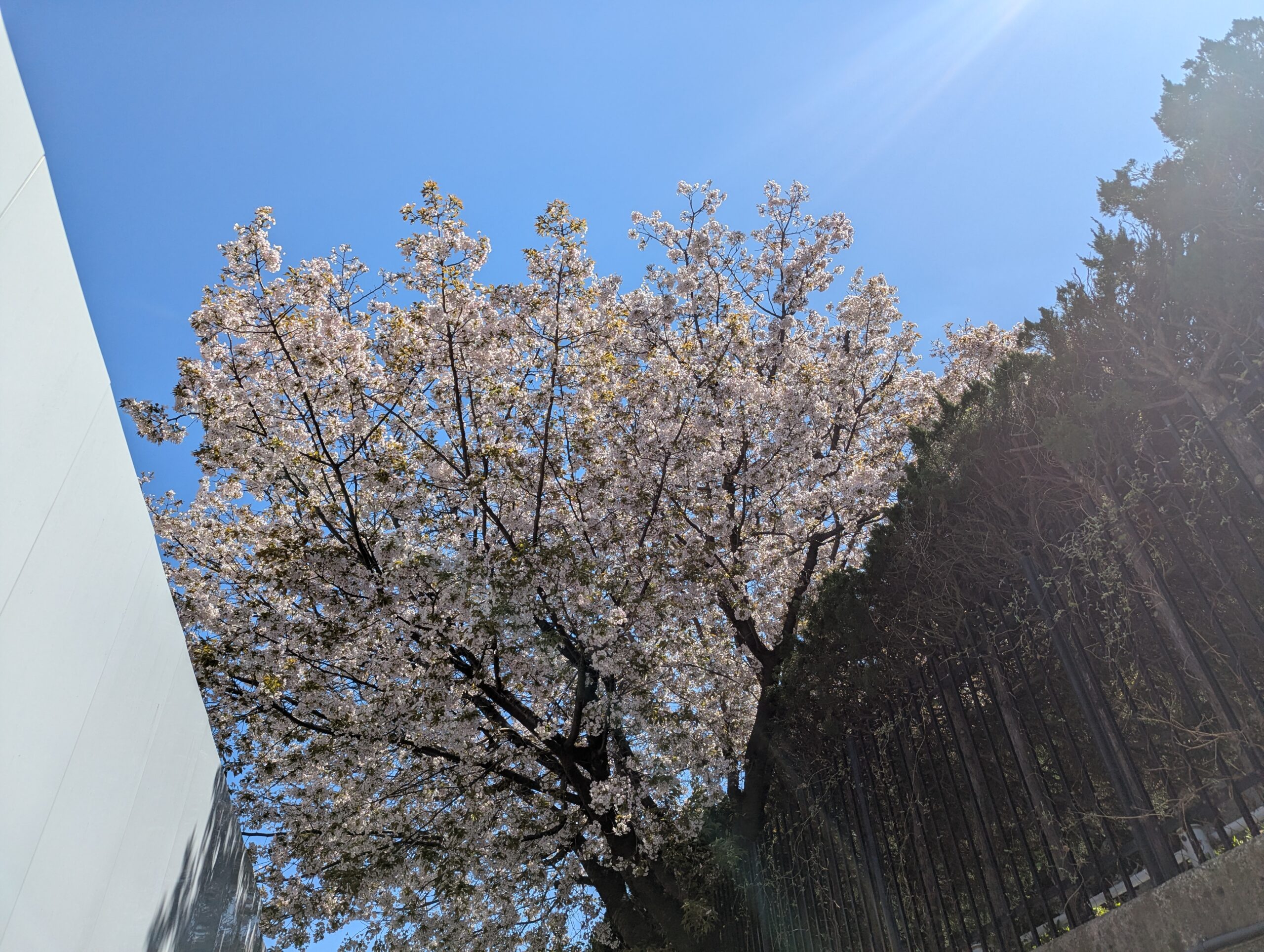
    Actually, I went to see the cherry blossoms in Tokyo on March 29. (five days earlier than the prediction and one day after the observed date)

    Here is a photo I took at that time.

    And, I went to see the cherry blossoms in Tokyo on April 3. (one day after earlier than the prediction and 6 day after )

    In fact, on April 3, the cherry blossoms Some of the cherry blossoms had already fallen.

    However, the cherry blossoms were still beautiful enough.

    Concludion

    If you want full cherry blossom, you will visit Japan, It’s diffrent depends on place. So you have to caution.

    In Tokyo, cherry blossoms are usually at their best from late March to early April.

  • Hello world!

    Welcome to WordPress. This is your first post. Edit or delete it, then start writing!